

 Facebook
 X
X
 Pinterest
 Copy Link
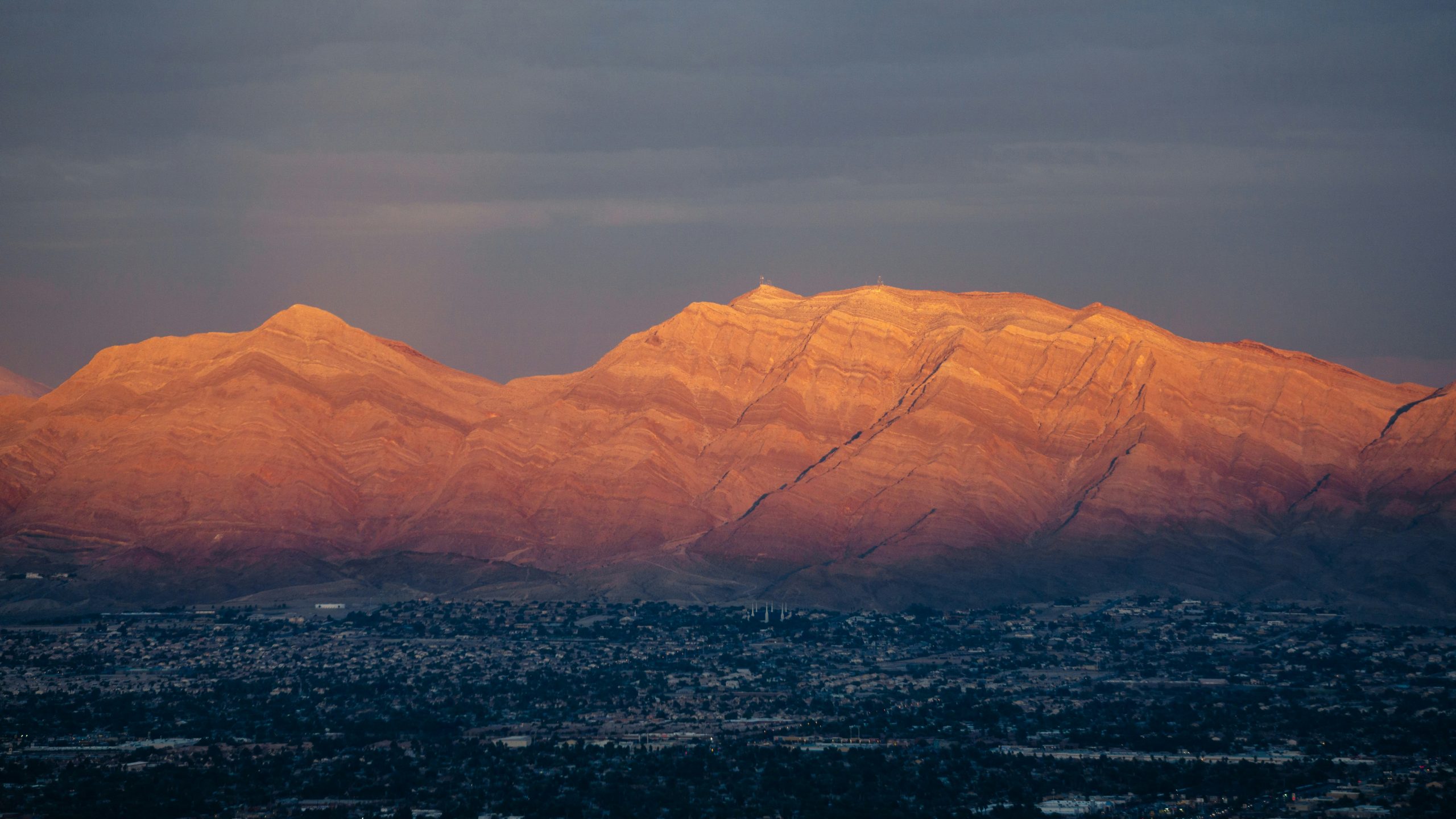
Every year, someone considering a move to Las Vegas asks me the same nervous question: “Is it actually livable in the summer?” The honest answer is yes — but it’s a different kind of yes than most people expect. Summer here doesn’t mean gritting your teeth through five brutal months. It means shifting your daily rhythm around the heat instead of fighting it, and most residents adjust to that shift faster than they think they will.
The numbers are worth knowing going in. May eases in around 90°F, but by June the daily highs are regularly hitting 100–103°F, and July — the hottest month of the year — typically averages highs in the 104–107°F range, occasionally spiking past 110°F on the worst days. August holds nearly as hot before starting to ease, and by September things are noticeably calming down into the 90s. The good news buried in those numbers: this is desert heat, not humid heat. Relative humidity in the peak summer months often sits in the teens to low 20s, which is a very different physical experience than 95°F in a humid climate. It’s still serious heat that demands respect — but it’s dry heat, and that distinction matters more than people expect until they’ve lived it.
What actually changes day to day is timing. Locals shift outdoor activity to the edges of the day — early morning hikes at Red Rock Canyon or around Lake Mead before 9 a.m., evening walks or errands after the sun drops. Mid-afternoon, from roughly noon to 5 p.m., becomes indoor time by default, which is part of why Vegas has such a deep bench of air-conditioned entertainment — museums, shows, casinos, malls, indoor climbing and entertainment venues — that exists as much for locals dodging the heat as for tourists. Pool culture isn’t just a Strip aesthetic; for residents it’s a genuine daily-life feature, with backyard and community pools functioning as the afternoon activity of choice for families for a solid four months of the year.
Late July into August brings monsoon season, Southern Nevada’s version of a weather wildcard. It doesn’t bring humidity in any sustained way, but it does bring sudden, intense storm cells that can dump a lot of rain in a short window — enough to cause real flash flooding in washes and low-lying roads even when the rest of the valley stays bone dry. It’s a good idea to know which routes near your home are flood-prone and to take flash flood warnings seriously rather than driving through a flooded wash, which is one of the more common ways people get into trouble here.
A few practical adjustments become second nature fast: cars need sunshades and can genuinely overheat if left closed up in a parking lot for hours; hydration becomes a constant habit rather than an occasional thought; and closed-toe shoes matter more than people expect, since pavement and sand can reach temperatures that cause burns. None of this is meant to be alarming — it’s simply the operating manual locals absorb within their first summer, the same way people in snow climates learn to keep an ice scraper in the car without thinking twice about it.
The other piece worth connecting here is cost. Summer is exactly when the utility side of living in Las Vegas shows up most — air conditioning runs hard for months, and that’s the trade-off against the lower water bills and overall tax advantages covered in an earlier post. Budget for a real jump in your power bill from June through September, and the rest of the year’s lower costs make a lot more sense in context.
If you’re moving here from a four-season climate, the adjustment isn’t really about tolerance — it’s about rhythm. Once your schedule shifts around the heat instead of against it, most people find Vegas summers far more livable than the thermometer alone suggests.


