

 Facebook
 X
X
 Pinterest
 Copy Link
Vegas Property Taxes & Closing Costs: What First-Time Buyers Get Wrong
If you’re moving to Las Vegas from a higher-tax state, there’s good news waiting for you at the closing table — but also a few numbers that trip up almost every first-time buyer. Understanding how Nevada actually calculates your tax bill, and what you’ll really pay to close, saves you from the two most common surprises I see clients run into.
Start with property taxes, because this is where the confusion runs deepest. Nevada doesn’t tax your home based on what you paid for it. Instead, the county assessor determines a taxable value, and state law requires that only 35% of that value gets used to calculate your bill — so a home the assessor values at $400,000 is actually taxed on roughly $140,000 of assessed value, not the full purchase price. From there, your local tax rate (which varies slightly depending on whether you’re in the City of Las Vegas, Henderson, North Las Vegas, or unincorporated Clark County) gets applied to that smaller number. The result is an effective tax rate that typically lands somewhere around half a percent of your home’s market value — well below the national average, and often a fraction of what buyers coming from California, Texas, or the Northeast are used to paying.
There’s a second protection worth knowing about: Nevada caps how much your tax bill itself can grow each year. For an owner-occupied primary residence, that cap is 3% annually, regardless of how much your assessed value jumps — so even in a year when home values climb sharply, your actual bill can’t spike to match. Investment properties carry a higher 8% cap. New construction and homes that just changed ownership are reassessed at full value in that first year before the cap kicks back in, which is exactly the kind of detail that catches first-time buyers off guard when their first bill looks different from what a seller or listing quoted them.
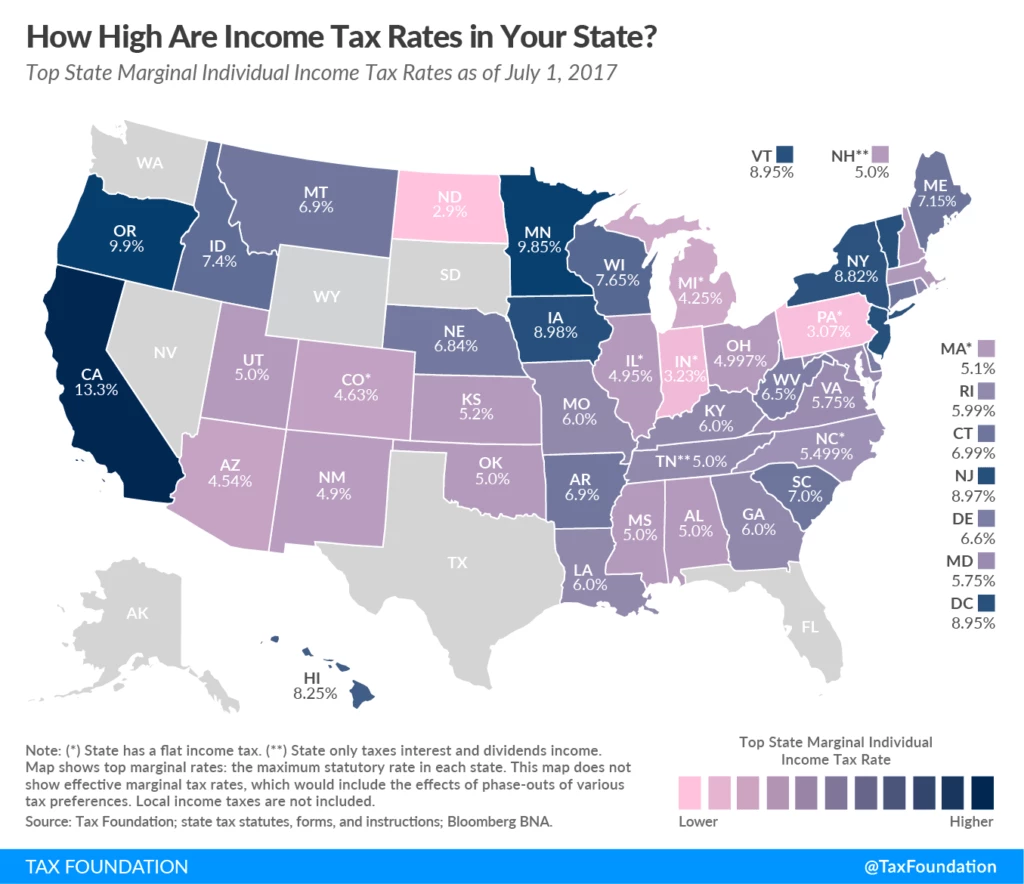
Closing costs are where the second set of surprises tends to show up. Buyers in the Las Vegas market typically pay somewhere in the 2–3% range of the purchase price in closing costs — covering lender and loan-origination fees, title and escrow charges, appraisal and inspection costs, and prepaid items like the first year of homeowner’s insurance and a few months of prepaid interest. On a home in the mid-$400,000s, that generally works out to roughly $9,000–$14,000 above your down payment, and it’s money many buyers forget to budget for separately. Nevada’s real property transfer tax is customarily paid by the seller rather than the buyer, which is a pleasant change of pace if you’re used to a state where that cost lands on the buyer — but every contract is negotiable, so it’s worth confirming who’s covering what before you’re deep into escrow. Add in Nevada’s complete absence of a state income tax, and the overall tax picture here tends to work strongly in a new resident’s favor once all the pieces are on the table.
None of this replaces a line-by-line look at your specific purchase — tax districts, HOA transfer fees, and loan terms all shift the exact numbers — but knowing the framework going in means nothing on your Closing Disclosure should catch you off guard.


